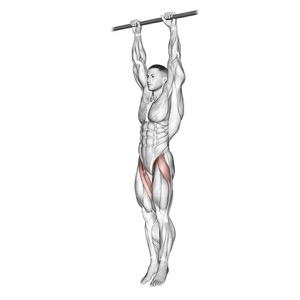
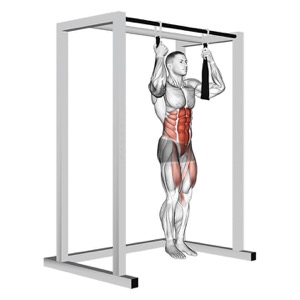
IsolationMachine
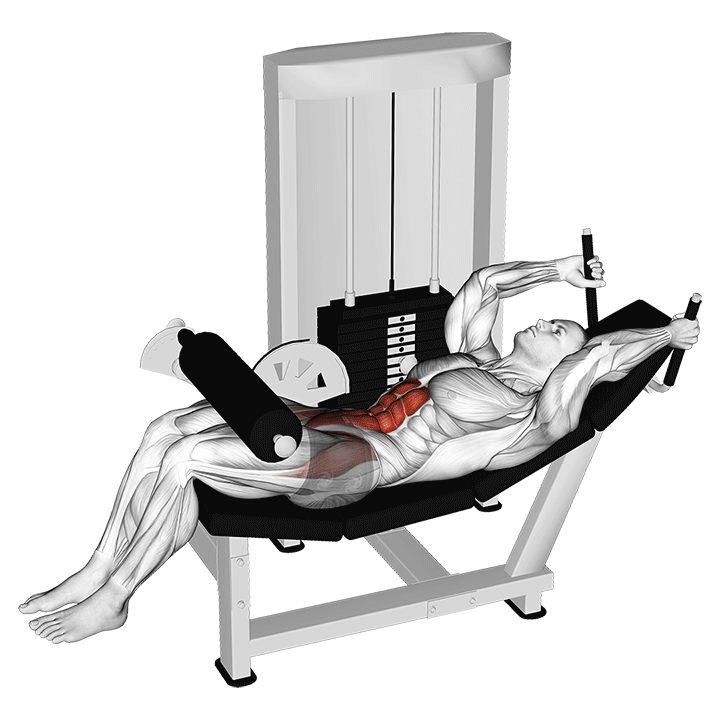
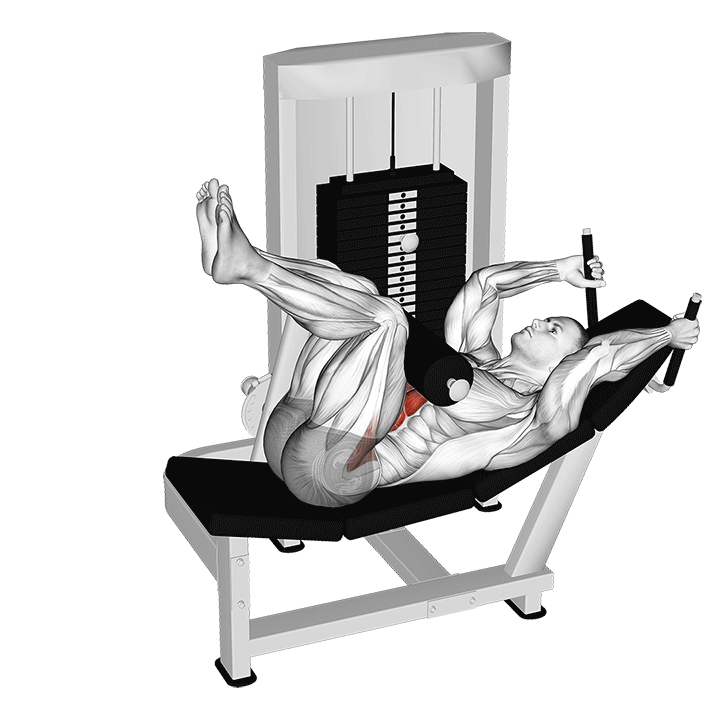
Machine Lying Leg Raise

Exercise Details
Training Volume by Goal
Hypertrophy
Muscle Growth
3–4 sets × 12–15 reps (50–70% 1RM, RPE 6–7)
Strength
Max Power
3–4 sets × 10–12 reps (60–75% 1RM, RPE 6–8)
Endurance
Stamina
2–3 sets × 15–20 reps (30–50% 1RM, RPE 5–7)
📋How to Perform
- Lie on the machine pad with your back flat and grasp the handles
- Position your legs straight or slightly bent
- Engage your core and lift your legs toward your chest
- Keep your lower back pressed against the pad
- Raise your legs until they are perpendicular to the floor or higher
- Squeeze your lower abs hard at the top
- Slowly lower your legs back down with control
- Stop before legs touch the starting position to maintain tension
💡Coaching Cues
- ✓
Lower back stays on pad
- ✓
Use abs to lift legs
- ✓
Raise to perpendicular or higher
- ✓
Squeeze abs at top
- ✓
Control the descent
- ✓
Maintain constant tension
⚠️Common Mistakes
- ✗
Lower back arching off pad
- ✗
Using momentum or swinging