Grip
Choose from 10 Grip options
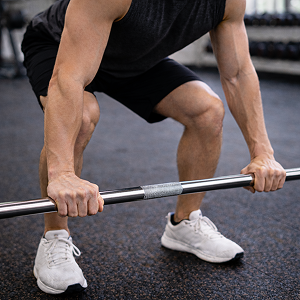
Overhand Grip
Pronated grip (palms down).
Pronated, Overhand
Use for pull-ups, rows, and deadlifts to emphasize back and forearm development
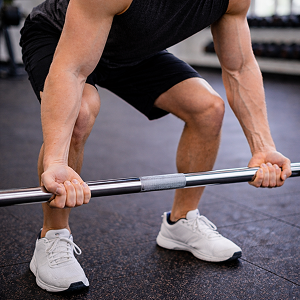
Underhand Grip
Supinated grip (palms up).
Supinated, Underhand
Best for bicep curls, underhand rows, and chin-ups for bicep emphasis
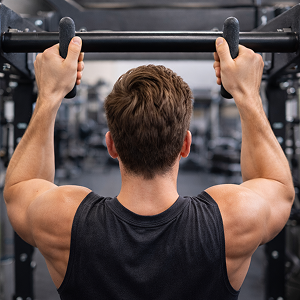
Neutral Grip
Neutral grip (palms facing each other).
Parallel, Neutral
Ideal for rows, presses, and pulldowns when joint comfort is priority
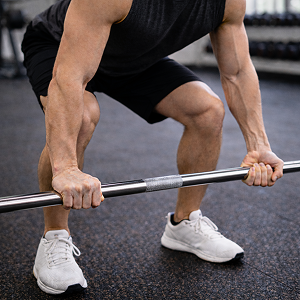
Mixed Grip
One hand overhand, one underhand.
Alternate grip
Use for heavy deadlifts when grip is limiting factor, but alternate sides regularly
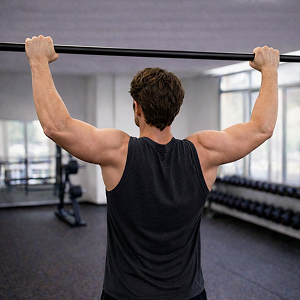
Wide Grip
Wider than shoulder width grip.
Wide
Use for lat pulldowns, wide-grip pull-ups, and wide-grip bench press for outer muscle emphasis
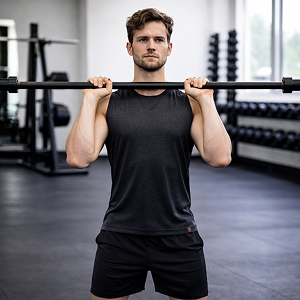
Shoulder-Width Grip
Grip at shoulder width.
Normal, Standard
Standard grip for most pressing and pulling exercises, safe starting point
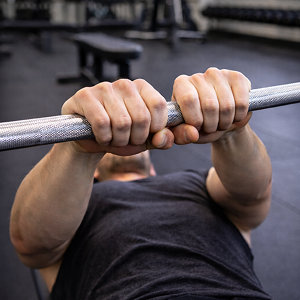
Close Grip
Narrower than shoulder width grip.
Narrow, Close
Best for close-grip bench press, tricep-focused exercises, and inner chest work
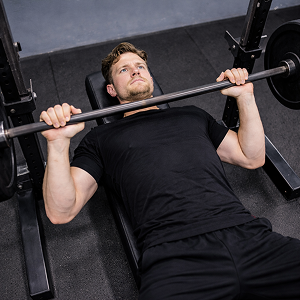
Thumbless Grip
Open/thumb-less grip (false wrap) used to reduce wrist strain in some presses.
Open grip, False wrap
Use cautiously for pressing exercises when wrist discomfort is an issue, always with spotter
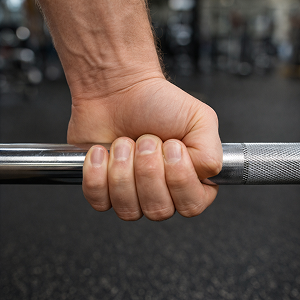
Hook Grip
Thumb locked under fingers for a stronger pull on heavy lifts (e.g., Olympic lifts).
Olympic hook grip
Essential for Olympic lifts and heavy deadlifts when maximum grip security is needed
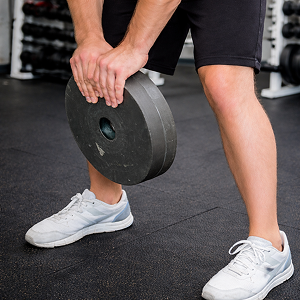
Pinch Grip
Pinching hold (plates/blocks) emphasizing thumb and finger strength.
Plate pinch
Use for grip training, farmer carries with plates, and developing crushing grip strength